
I recently re-watched the film ‘Enigma’ about the breaking of enemy codes during WW2 by the amazing codebreakers at Bletchley Park. It resonated with me…
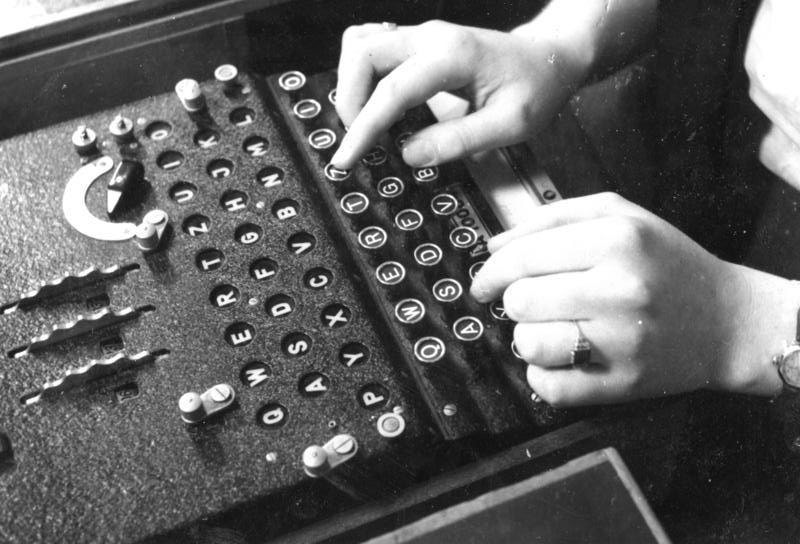
The last 15 years I have spent specialising in PDA have taught me a great deal about this enigmatic presentation. I’ve been ‘cracking’ some of the hidden codes inside the PDA presentation. And yet there are still so many questions that remain. Now, as I step back from clinical practice and focus on completing the book, I can see the landscape more clearly.
Here are some of the puzzles and conundrums I am cogitating about as I move forward in trying to sharpen my thinking, and my writing.
Firstly, – and I have highlighted this in a previous post- what did we learn about PDA and the preliminary studies of Elizabeth Newson? And what did she overlook which is now relevant?
In the following chapters I am setting out to address these questions:
- How does Stephen Porges’ Polyvagal Theory help us to understand the PDA presentation?
- More broadly what does neuroscience have to offer us in relation to developing our insights and knowledge about the central nervous system and its importance in the PDA presentation?
- If we don’t heed all this knowledge and understanding, what can happen to our PDA youngsters? I’ll be drawing on the experiences of so many PDA youngsters I have worked with here.
- How does a trauma response emerge when we continue to expose PDA youngsters to environments which are clearly harming them? So if we know all this, why is there an insistence on continuing in this way?
- How have the diagnostic criteria for PDA evolved from the original ones of Elizabeth Newson? And why does this matter?
- Differentially diagnosing PDA from other conditions really matters. So how do we get it right, as assessing and diagnosing clinicians?
- How can we ensure that professionals we work with understand that PDA is not ODD or CD?
- What is actually going on inside the mind of the PDA youngster when any form of engagement is impossible, or even just really difficult? What can we learn from analysing the key processes inside the thinking, feeling, and sensations of the PDA youngster? What I call a PDA mindset.
- When it comes to assessing and diagnosing PDA what assessment processes are the most effective, and least invasive or intrusive? What do we know about what works, and what does not work, if you are trying to assess or engage with a child with PDA?
- PDA youngsters have really chequered histories of school-based engagement, and in many cases are traumatised by such experiences. So what would an optimal set up look like?
- Is EOTAS a better way forward to improve outcomes for PDA youngsters, and what does this provision actually look like, how does it work?
- So given what we already know, in 2025, about PDA as a presentation of the Autism Spectrum, and what questions remain to be addressed?
- How should we be researching, generating and sharing knowledge about PDA? Whose voice matters, and how can it be represented?
- Looking to the future, where do we go from here? Always a great way to set out futures-thinking and of course my legacy.
In the immediate future, I wish you all a very Happy Easter break, wherever and however you are marking it.
© 2025 Dr Hilary Dyer